
Episode 14

Where Are They Now?
A Conversation with Marcelo Hidalgo
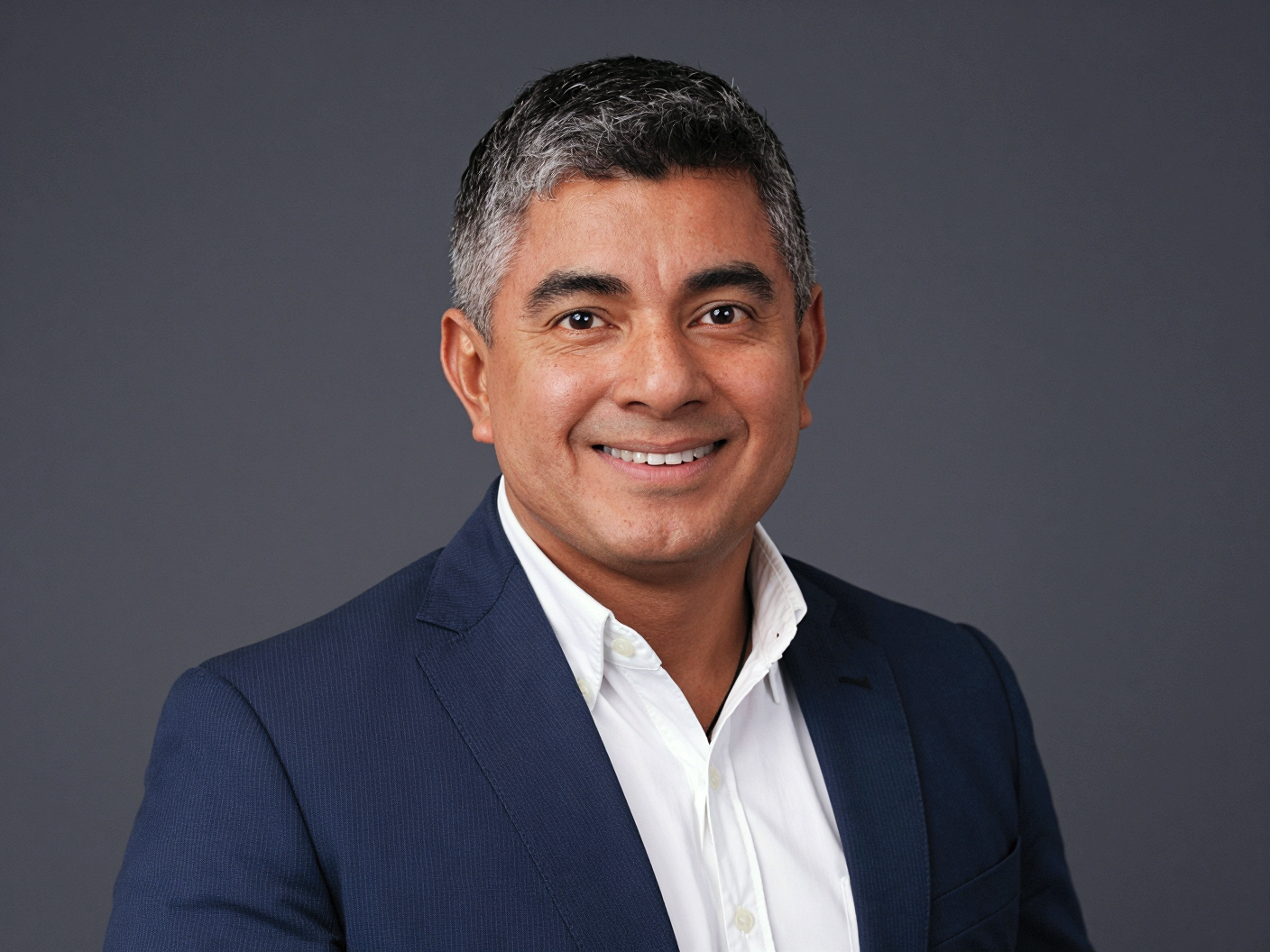 When we first spoke with Marcelo Hidalgo in our first-ever Spotlight Series, the focus was on building the systems needed to support responsible seafood sourcing. At the time, much of the industry’s attention was on developing frameworks such as standards, certifications and partnerships that could move sustainability from ambition into practice.
In the years since, that conversation has evolved. Expectations have grown, scrutiny has intensified, and the focus has shifted from building systems to demonstrating that they deliver real outcomes.
Marcelo continues his work at the intersection of industry, sustainability, and policy through his leadership with the Fishing Industry Association of Papua New Guinea. During this time, the association has achieved Marine Stewardship Council certification not only for its industrial tuna fishery, but also for its Torres Strait tropical rock lobster fishery in 2023. This marked the first small-scale fishery in Papua New Guinea to reach that standard and reflects a broader push to extend sustainability beyond large-scale operations into coastal communities.
We caught up with Marcelo to reflect on what has changed since our last conversation, what progress looks like today, and what still needs to happen.
Looking back to our first interview, you spoke about the importance of building responsible sourcing frameworks. How does the industry look to you today compared with then?
I think the biggest change is that sustainability has moved from being largely about ambition to being about accountability. When we first spoke, there was a lot of focus on creating systems such as certifications, traceability tools, and collaborative initiatives. Those were important steps, and many of them are now well established.
Today the conversation is more about outcomes. People want to understand whether these systems are delivering measurable improvements. Are fisheries better managed? Are supply chains more transparent? Are communities benefiting? That shift reflects a more mature phase for the sector.
sustainability has moved from being largely about ambition to being about accountability
How has your role evolved in the past few years?
I started as Sustainability Director, and now as COO, my work has become more focused on connecting global sustainability expectations with what is happening on the ground, particularly in places like Papua New Guinea.
There is often a gap between what is expected by markets, retailers, and NGOs, and what is feasible within fisheries and coastal states. A large part of my role is helping to bridge that gap by translating expectations into practical approaches, while also ensuring that the perspectives of producing countries are better understood.
The FIA PNG fisheries have now achieved MSC certification for both tuna and lobster. How do you reflect on those milestones?
Achieving MSC certification for tuna was an important step, but extending that approach to a small-scale fishery like lobster adds another dimension.
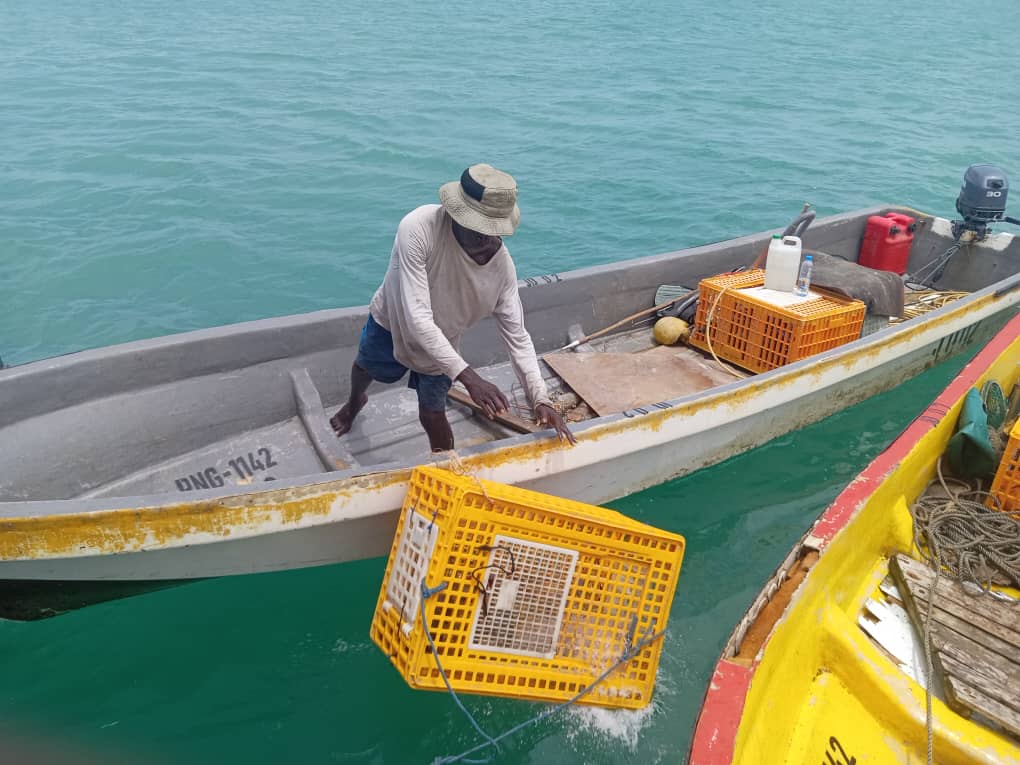
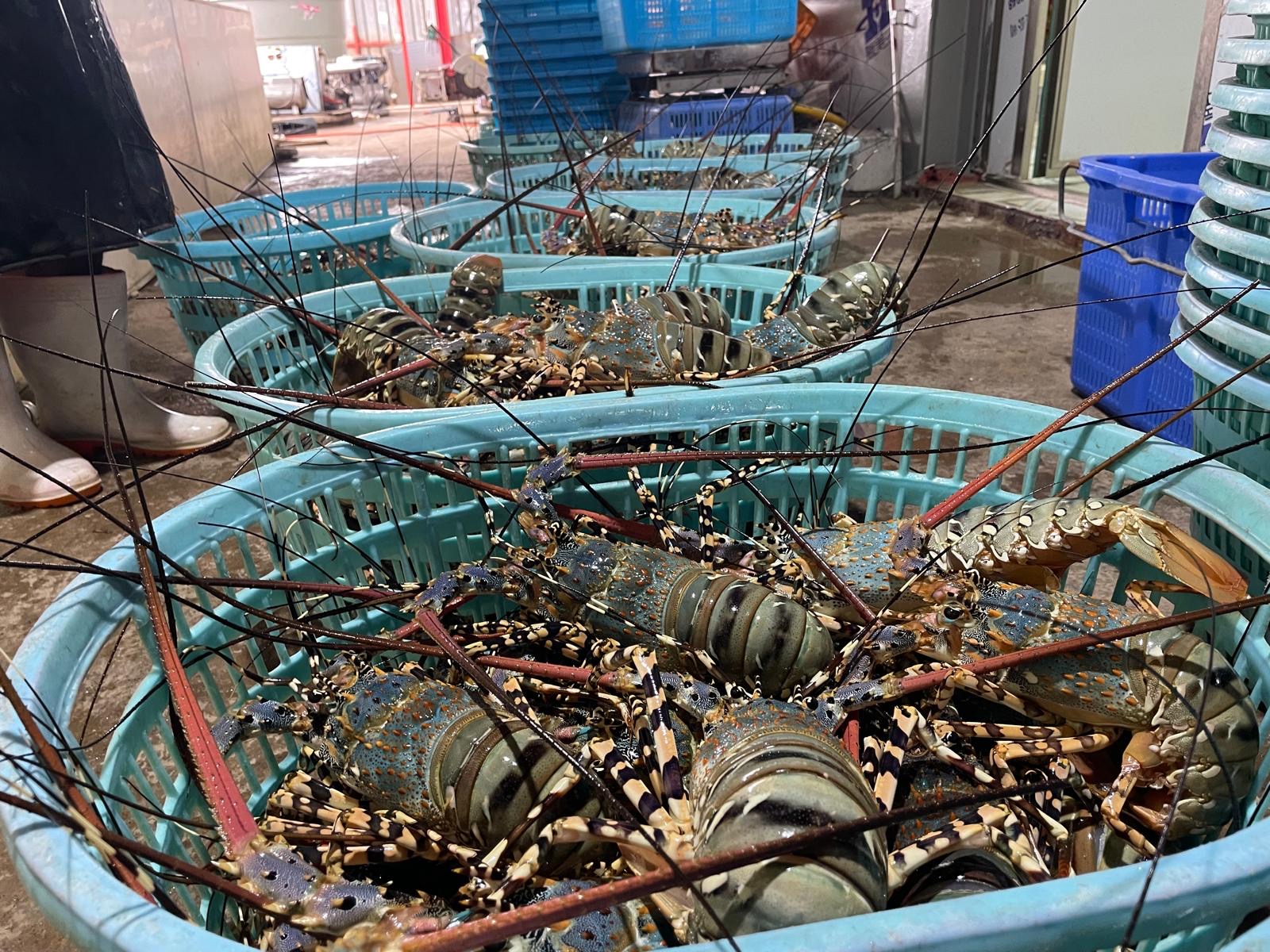
The lobster fishery is very different. It is largely village-based, with hundreds of divers using selective methods such as free diving and hookah to harvest lobster one by one. These practices have minimal impact on the ecosystem and reflect long-standing traditions in coastal communities.
Certification required meeting rigorous standards across stock health, ecosystem impact, and management systems, just as it does for larger fisheries. But what is important is that certification is not an endpoint. It comes with conditions and ongoing requirements for improvement.
For Papua New Guinea, there is also a market dimension. Certification helps position both industrial and small-scale fisheries in premium markets and creates opportunities for coastal communities to access those markets more directly.
We also see a benefit for our country, because the National Fisheries Authority adopt MSC fishery standard conditions into the National Fishery management plan, enhancing monitoring and improving current regulations.
The seafood sector is facing growing scrutiny around transparency and traceability. Has that changed behavior in the industry?
To some extent, yes. Increased expectations around transparency have pushed companies to better understand their supply chains and take greater responsibility for them.
Certification schemes such as the MSC have helped establish clear benchmarks. In our case, that has meant strengthening monitoring, traceability, and governance systems across both industrial and small-scale fisheries.
However, transparency alone is not enough. Data and reporting need to translate into real improvements in management and practices. Otherwise, there is a risk that systems appear strong without delivering meaningful change.
Papua New Guinea plays a significant role in global tuna fisheries. What makes the situation there unique?
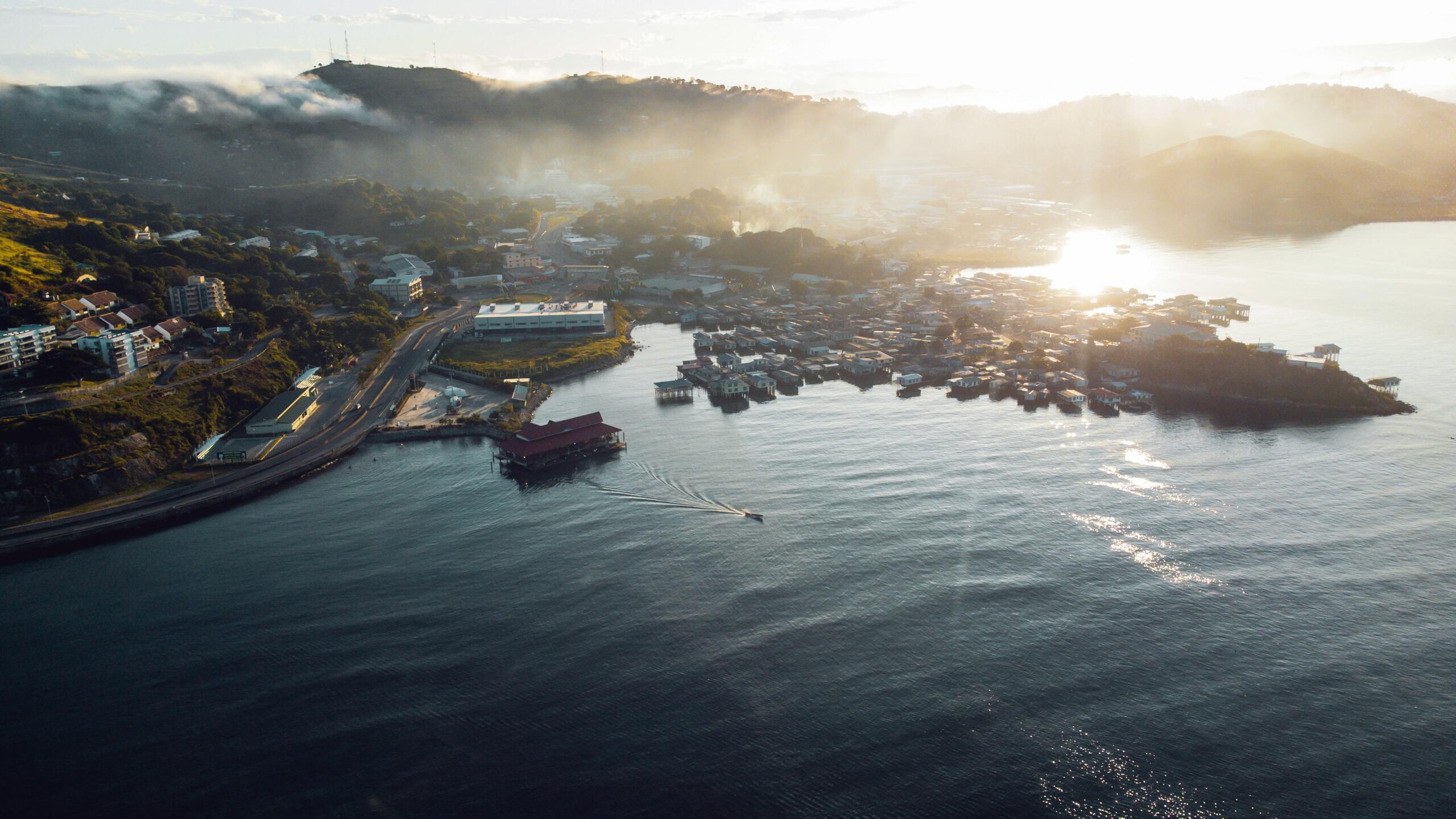
Papua New Guinea is part of one of the most productive tuna regions in the world, according to FAO 18% of the global tuna catches come from PNG, which brings both opportunity and responsibility.
What is sometimes overlooked is how important fisheries are to national development. In many Pacific countries, fisheries are not only an environmental issue but also a key economic sector and a source of livelihoods.
That is even more evident when you look beyond tuna. Small-scale fisheries, such as lobster, are central to coastal communities and represent a significant share of global seafood production. Expanding sustainability efforts into these fisheries is essential if we want to see a broader impact.
what is sometimes overlooked is how important fisheries are to national development
Are there misconceptions about fisheries in PNG that you would like to address?
The global conversation can sometimes oversimplify very complex realities. There is often an assumption that solutions developed in one context can be applied directly in another.
In the Pacific, there has been strong regional cooperation on tuna management for many years. At the same time, there are also well-managed small-scale fisheries that rely on traditional, low-impact practices. Both aspects are part of the same system and are well-managed, but they are not always equally visible in global discussions.
Over the years you have worked across many parts of the seafood system. Has your perspective on sustainability changed?
I would say my perspective has become more pragmatic.
There was a time when sustainability was often framed around single solutions, whether certification, regulation, or technology. Experience shows that progress usually comes from a combination of approaches.
Strong management, industry engagement, scientific input, leadership, and collaboration all play a role. Certification can support that, but it is one part of a broader system.
Can you point to areas where you feel the industry has made real progress?
There has been clear progress in digital traceability and supply chain awareness. Companies today generally have a much better understanding of where their products come from.
There has also been more collaboration across governments, industry, and NGOs. In places like Papua New Guinea, that collaboration has helped extend sustainability efforts from industrial fisheries into small-scale sectors, which is an important step forward. In the past 5 years, we have taken bold decisions and steps in several initiatives that include biodiversity impact assessment, transparency impact report, and key data element for crew welfare in a digital traceability, which positioned us as frontliners in innovation.
What challenges still need to be addressed?
One of the key challenges is ensuring that sustainability initiatives remain practical and inclusive.
If systems become too complex or too costly, they risk excluding smaller players or coastal communities. That is particularly important when working with small-scale fisheries, where resources and capacity can be more limited.
We need to ensure that the tools we develop are not only robust, but also realistic and accessible.
Finally, what would you like to see happen over the next few years?
The next phase for the sector should focus on demonstrating impact. Many of the frameworks and tools are already in place. The priority now is to show that they are delivering real improvements in fisheries management, governance, and community outcomes. That includes both large-scale and small-scale fisheries. In addition to this, we are working on Prawn and Mud-Crab MSC fishery certification in PNG.


